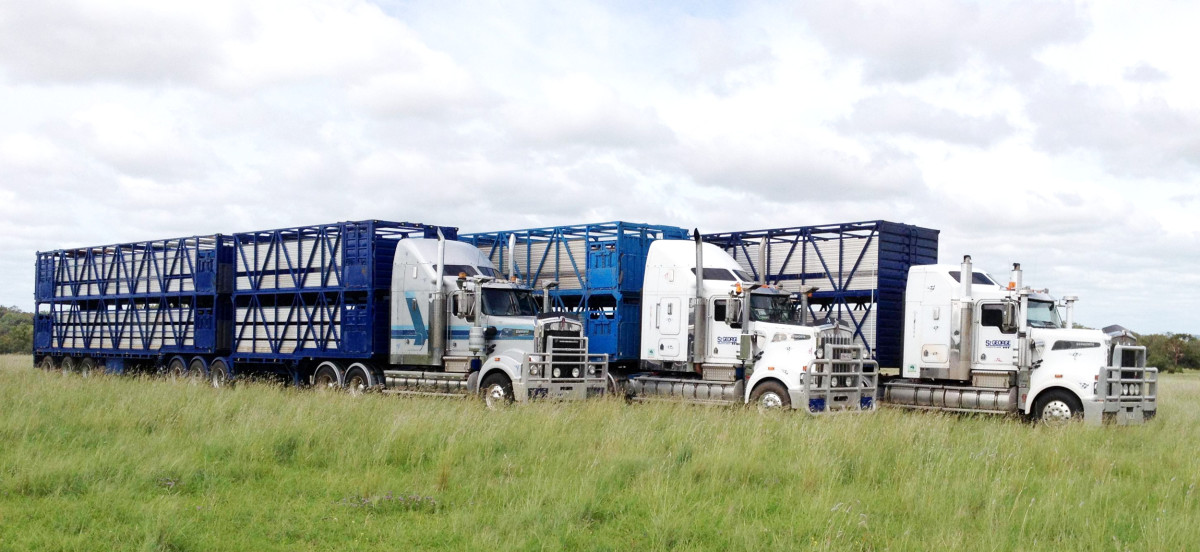
Marine Insurance: Carriers and Cargo Policies
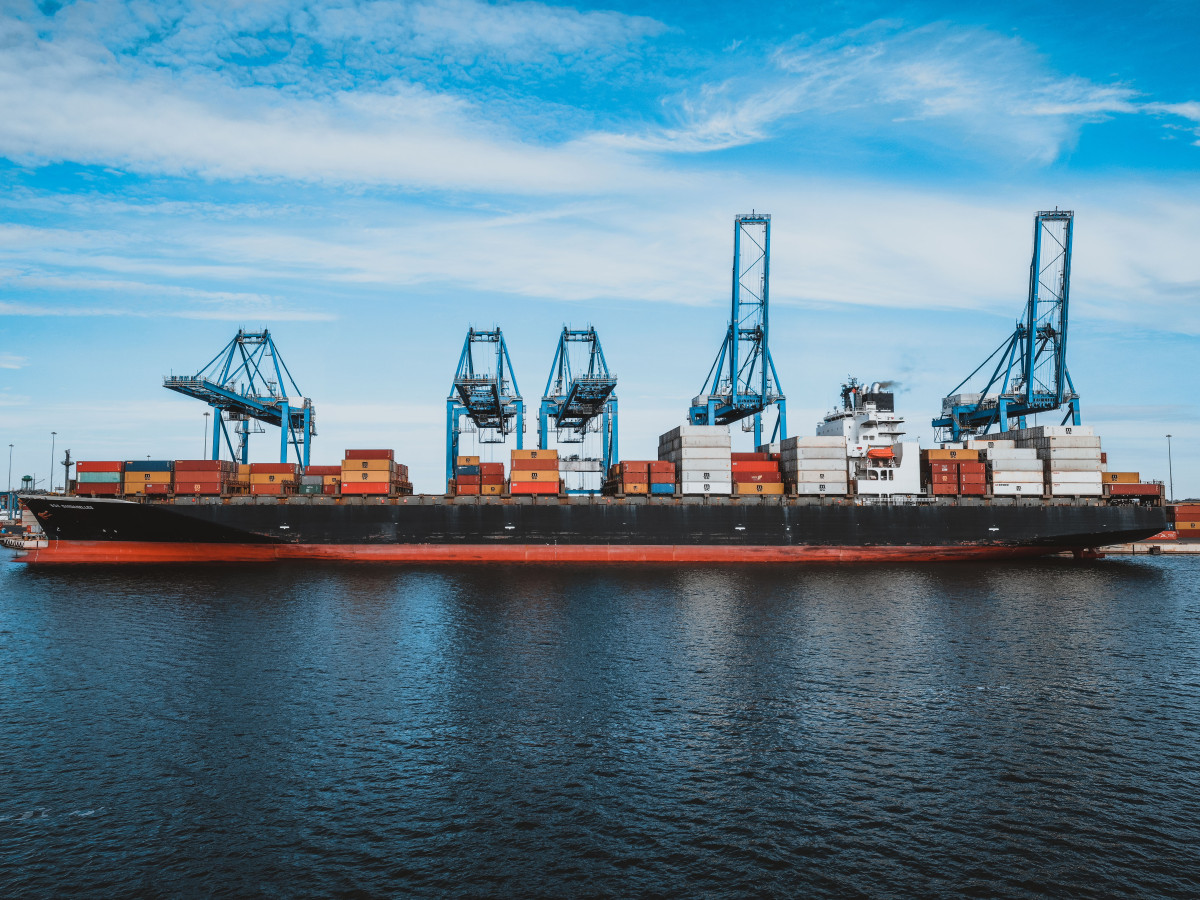
Marine Cargo and Carriers Insurance can prove valuable for businesses who ship, forward, handle or receive goods. Marine Cargo and Carriers Insurance policies spans a wide range of risks, including:
- Cargo or freight insurance
- Carriers insurance
- Marine liability insurance
What is the difference between Carriers Policies and Cargo Policies?
These two are often confused and to break it down, here is a snapshot of how they differ:
|
Marine Carrier Policies: |
Marine Cargo Policies: |
|
Covers cargo they carry (freight operators, transport businesses) |
Covers cargo they own (the owner, buyer or seller of the cargo) |
|
Transit is covered inland only |
Transit is covered inland and/or overseas |
|
Available for annual policies |
Available for annual policies or single transit |
Marine Cargo Insurance
Marine cargo, also known as marine transit insurance, protects your goods from the moment they leave their origin to when they reach their destination. This type of insurance can cover goods in transit for a single shipment or for multiple shipments over an annual period.
What is generally covered:
- Weather-related events
- Fire, collision, overturning of vehicle
- Impact to the conveying vehicle
- Temporary storage in transit
- Theft, pilferage, non-delivery or malicious damage
What is generally excluded:
- Loss of profits / Loss of Market
- Inherent Vice
- Gradual wear
- Intentional acts
- Poor or insufficient packaging
- War, civil unrest, terrorism
Marine Carriers Insurance
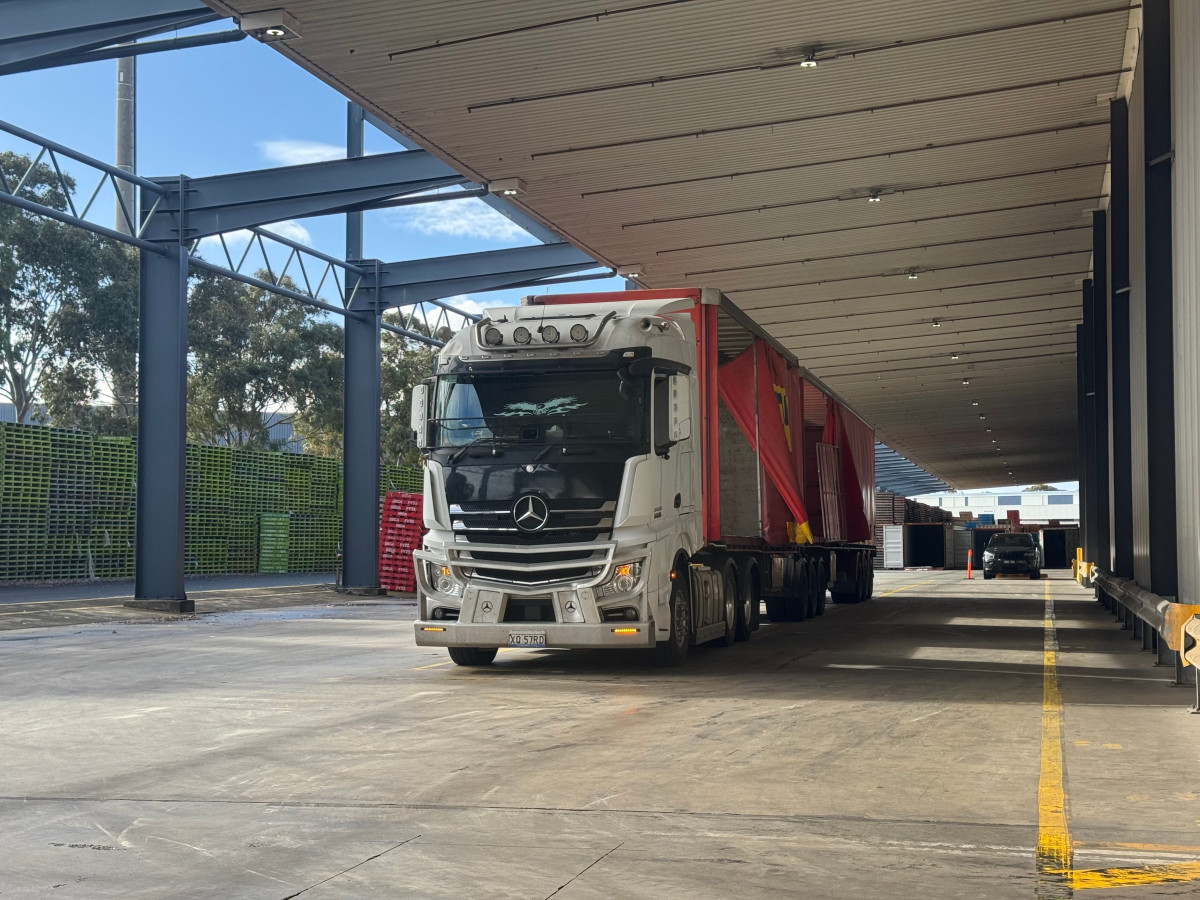
Marine carriers insurance is ideal for transport, logistics and shipping companies. This type of insurance coverage protects goods while they are in the carrier's care.
Cover Options Can Include:
- Full Accidental Damage Cover or
- Defined Events Cover
- Theft Pilferage Non-Delivery
- Damage While Loading and Unloading
- Breakdown of Refrigeration Equipment
- Goods falling from the conveying vehicle
- Carriers Goodwill Cover
- Carriers Cargo Liability Cover
FAQs:
Does Marine Insurance Only Cover Ships?
No, despite its name, marine insurance covers goods that are moved by sea, air, rail or road. In fact the term marine insurance comes from the earliest form of insurance. Dating back to ancient Chinese, Phoenician and Babylonian traders, they used a form of risk management to protect cargo in ships on long voyages across the sea.
Goods are covered whether they are moved by air, road, rail, or sea, even including some goods that are held in storage for short periods of time.
What are Cargo Insurance Risks?
Risks for marine cargo can include:
- Damage or loss to goods or livestock during shipment
- Damage or loss to goods or livestock during loading or unloading
- Damage or loss to goods in temporary storage
How are premiums calculated?
If the policy cover is only for a single journey, the premium will be calculated based on the goods being carried, the packaging, the mode of transport and the destination. For annual policies they consider all these factors in addition to an estimate on the number of transits that occur in this period of cover.
Contact a Marine Insurance Broker
If you are looking for professional insurance brokers in the marine insurance industry, Peter Cameron Insurance Brokers can offer you quotes today.
At PCIB our range of services extend from Marine Insurance to include Commercial Motor Vehicle Insurance, Liability Insurance, Farm Insurance, Business Insurance, Home and Contents, and Cyber Insurance. If you want to learn more about our services, you can contact our office today by clicking the button below.
One of the benefits of working with an insurance broker is that in the event of a claim, our claims team will assist you through the process. Our friendly team is here to support you and quote the market for the most suitable insurers. We take the time to understand your unique needs and offer industry expertise. Whether you need marine freight insurance or something else, you can submit a request for a quote today.
Any advice provided on this website is general in nature. It does not take into account your objectives, financial situation or needs. You must therefore assess whether it is appropriate, in the light of your own individual circumstances, to act upon this advice.

Peter Cameron Insurance Broker is part of the Steadfast Group, the largest insurance broker network in Australia and New Zealand.
| 02 6771 3422 | |
| 85 Beardy Street Armidale NSW 2350 | |
| Monday-Friday: 8:30am-5pm | |
| Contact Us | |