Fleet Insurance: Breaking Down Your Coverage Options
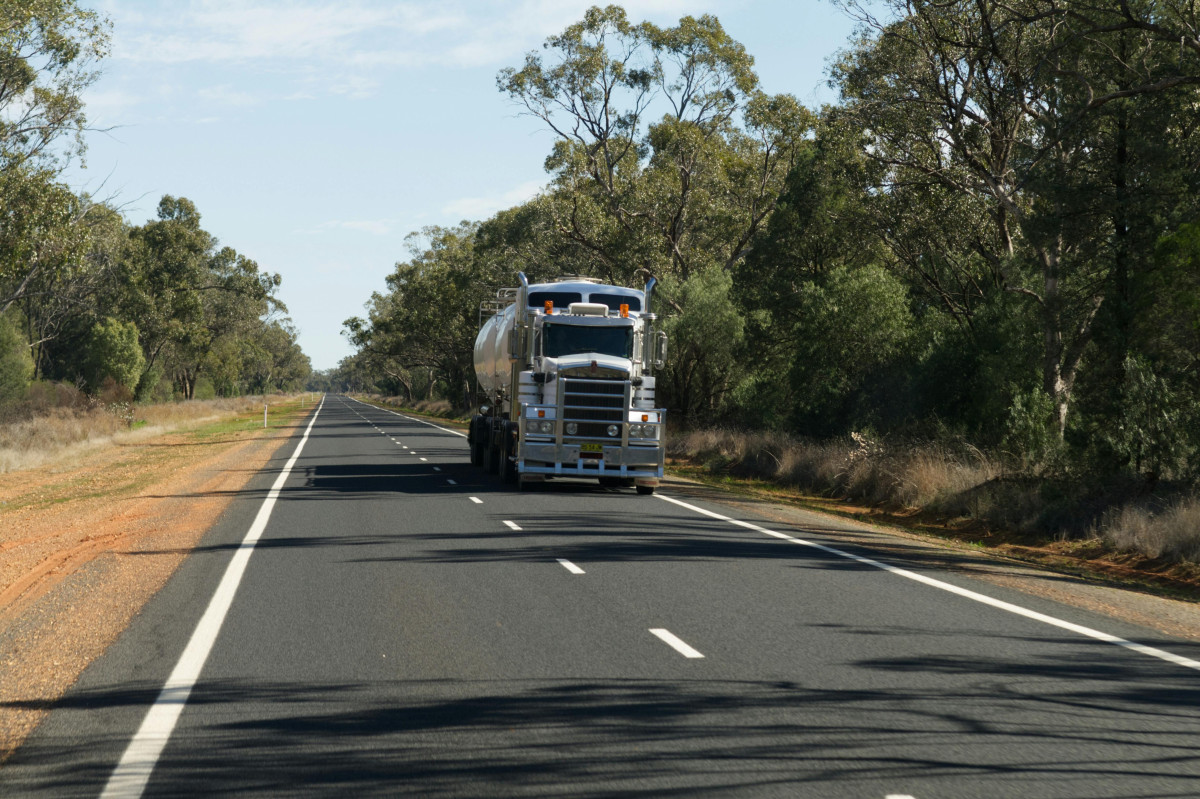
For businesses looking to insure their vehicles, fleet insurance is a great way that you can simplify your policies and possibly even save money. A broker can help you find the right cover to suit your needs, whether you have a delivery business with ten vans or you're a tradie with a mix of utes and trucks.
What is Motor Fleet Insurance?
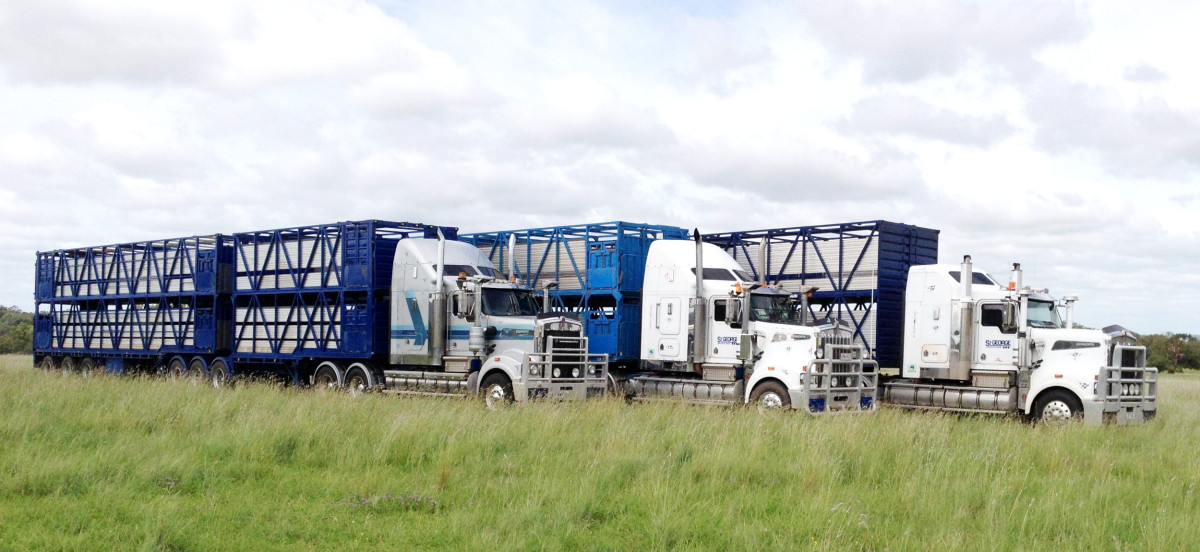
Fleet motor insurance covers multiple vehicles under a single policy, including vehicle types from cars, vans, utes, trucks, and heavy machinery used or leased by a business. More than just saving you time with paperwork, commercial motor fleet insurance gives you assurance that your assets and drivers are covered.
What is the difference between fleet insurance and commercial motor insurance?
The difference between commercial motor insurance and fleet insurance is a matter of size. Commercial motor insurance is designed for businesses that have a small number of vehicles.
If you have multiple business vehicles, a fleet insurance policy simplifies the process. Many insurers will offer a group rate for your vehicles, meaning that you can save more money when comparing it to individual policies. You usually need a minimum number of vehicles to qualify for commercial fleet insurance. There is generally no maximum number, whether you have twenty or a hundred vehicles, fleet insurance can apply.
After a different level of cover for your mobile plant and equipment? See more about theft, damage and breakdown cover with Plant & Equipment Insurance.
Types of Cover for Motor Fleet Insurance
There are different levels of coverage for commercial motor fleet insurance, the two main coverage options include:
- Comprehensive Cover - To protect against accidental damage to your vehicles, theft, and liability to third-party.
- Third-Party Liability - This cover only covers damage caused to third-party property or people, not your own assets.
When you are considering what level of cover is suitable for your vans, rigid trucks or prime movers, keep in mind your predicted usage. There are also optional cover add-ons like downtime cover, vehicle replacement cover, or theft. Each insurer will differ in what they include, and it's always important to read the Product Disclosure Statement.
6 Fleet Insurance Management Tips
To help ensure your fleet spends more time on the road than in the shop, there are some risk management strategies you can implement in your business.
- Schedule regular maintenance to prevent breakdowns and ensure roadworthiness.
- Implement pre-start performance checks on your vehicles.
- Conduct regular risk assessments with your team and implement formal safety procedures.
- Educate drivers on safe-driving practices, including incident reporting.
- Book in time to audit your fleet for compliance risks and safety hazards.
- Use GPS and geofencing to determine where your vehicles are and if they are outside your radius.
Having preventative steps in place to review both your drivers and your assets can contribute to reducing potential downtime and minimizing risks.
How a broker can benefit you
If you need to arrange fleet insurance for your business, there are some visible benefits to using a broker:
- Smooth claims management - A broker will provide support through your claims process.
- Cost efficiency - A broker will research the market for you to ensure you have the most favourable coverage for your situation.
- Time savings - A broker does the work for you, navigating insurers and policy requirements so you can focus on the important things.
Finding the right fleet insurance for your business can seem like a daunting task, but with a broker, you're not alone.
Contact Peter Cameron Insurance Broker Today
To find out more about fleet insurance solutions, you can submit a quote request online by clicking the button below, or by contacting our office directly on (02) 6771 3422.
Any advice provided on this website is general in nature. It does not take into account your objectives, financial situation or needs. You must therefore assess whether it is appropriate, in the light of your own individual circumstances, to act upon this advice.

Peter Cameron Insurance Broker is part of the Steadfast Group, the largest insurance broker network in Australia and New Zealand.
| 02 6771 3422 | |
| 85 Beardy Street Armidale NSW 2350 | |
| Monday-Friday: 8:30am-5pm | |
| Contact Us | |